Professional Canvas Stretching
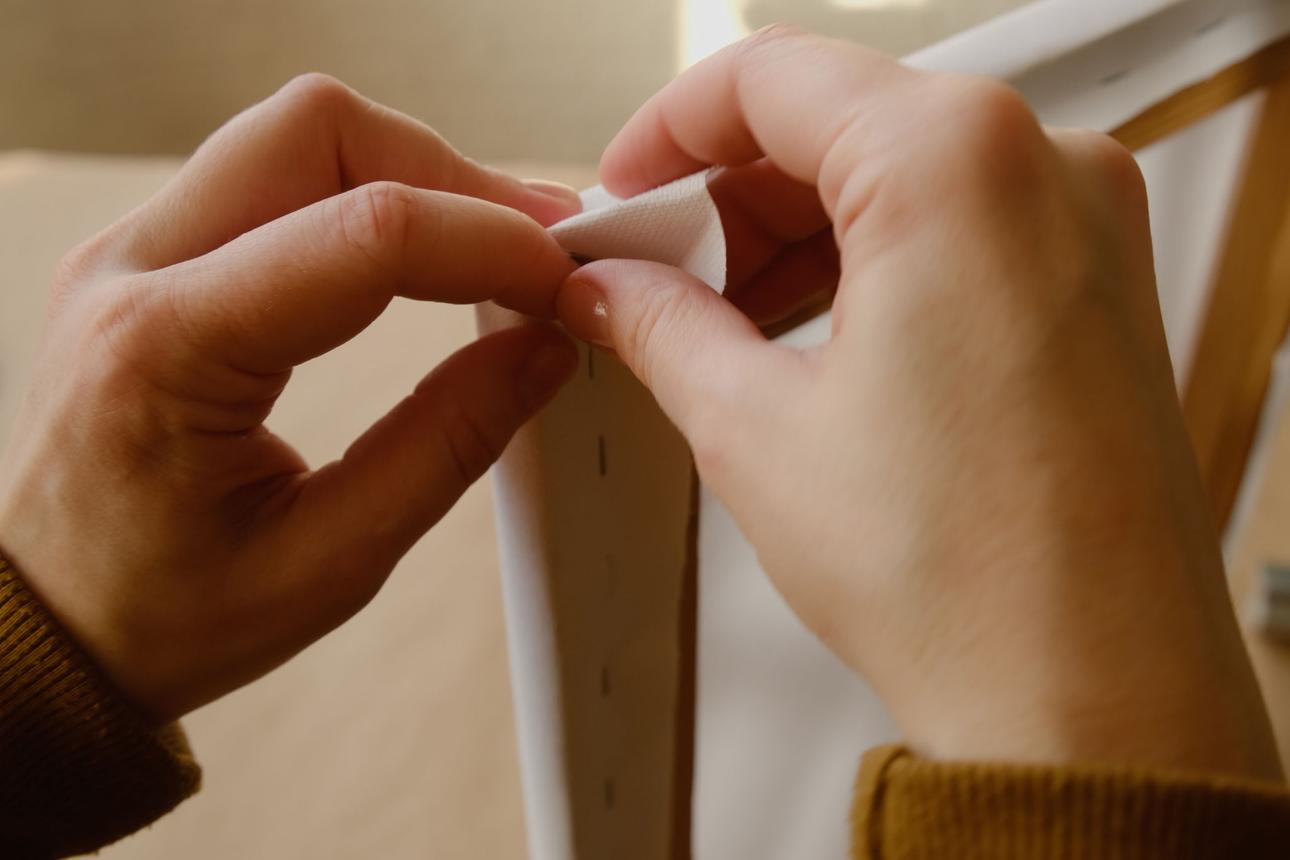
Canvas stretching is the process of securing canvas evenly over a timber stretcher frame to create a smooth, stable surface ready for display or framing.
When completed correctly, it provides consistent tension, strong structural support and a professional presentation while helping minimise ripples, sagging and unnecessary stress on the canvas over time.
Every canvas is assessed individually according to its size, material and intended purpose.
When We Can Help
We regularly stretch:
Rolled Canvas Prints • Original Paintings • Blank Artist Canvases • Exhibition Artwork • Canvas Removed from Existing Frames • Loose or Sagging Canvases • Large-Format Canvas Artwork
Whether you’re preparing a newly purchased print or restoring tension to an older artwork, we’ll recommend the most appropriate approach.
Why Proper Stretching Matters
Professional stretching provides far more than simply pulling canvas over a frame.
A properly stretched canvas offers:
Smooth Presentation • Even Tension • Strong Structural Support • Long-Term Stability • Professional Finish
Using appropriate materials and stretching techniques helps ensure the artwork continues to present well for many years.
Custom Canvases for Artists
We also manufacture custom-sized stretched canvases for artists requiring dimensions beyond standard sizes.
Available options include:
Custom Sizes • Cotton & Linen Canvas • Choice of Stretcher Depths • Exhibition Canvases • Ready to Paint • Loose Canvas Supply
Whether producing a single commission or preparing for an exhibition, we can supply canvases tailored to your individual requirements.
Framing Canvas Artwork
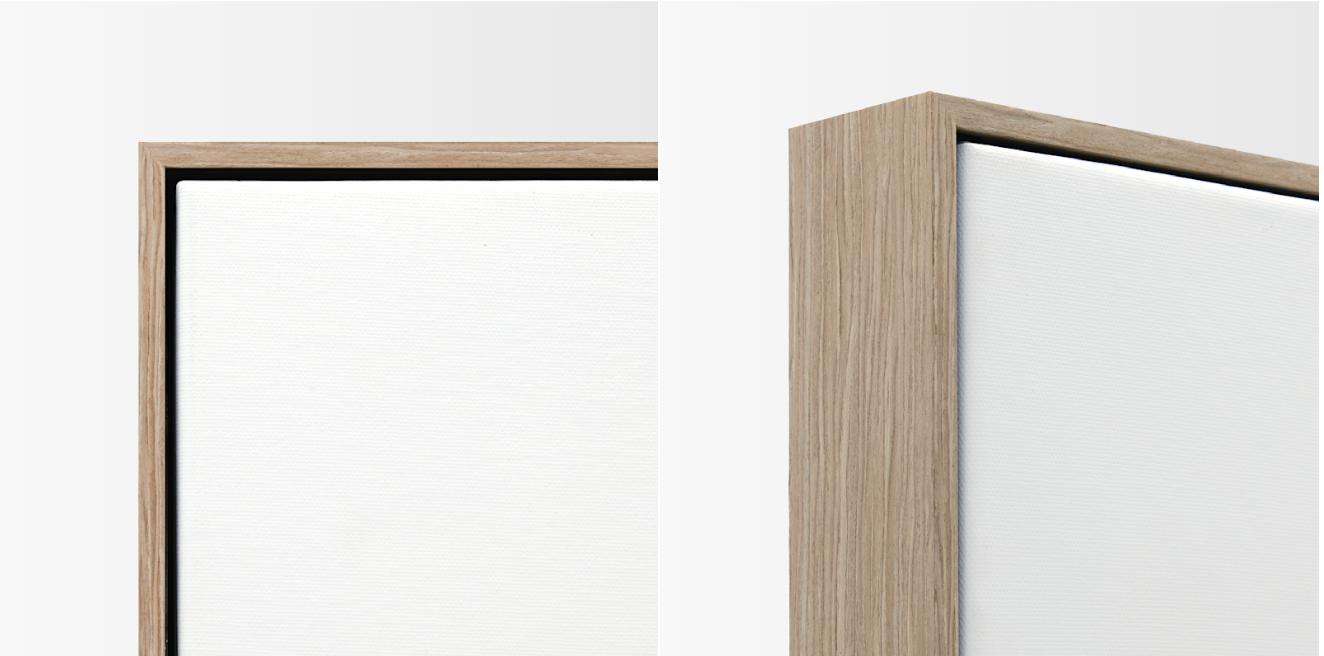
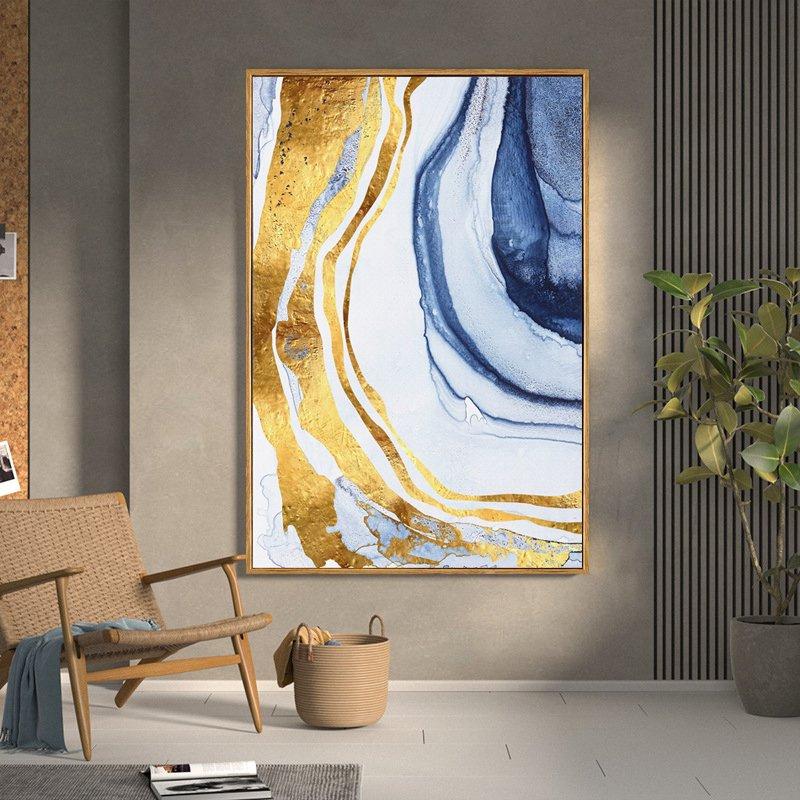
Once stretched, your canvas can be displayed in several ways depending on the style you wish to achieve.
Common options include:
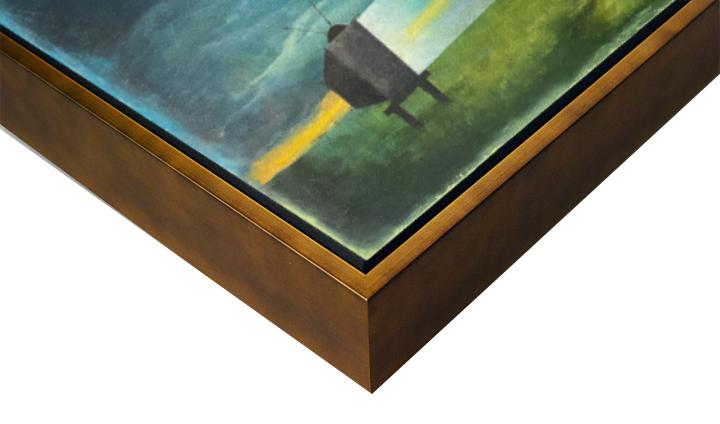
Gallery Wrap • Float Frames • Traditional Frames
We’re happy to discuss which presentation best complements both the artwork and the space in which it will be displayed.
Built for Long-Term Performance
Canvas is a natural material that responds to changes in temperature and humidity.
Professional stretching, quality stretcher frames and careful workmanship all contribute to a finished artwork that remains stable and visually appealing over time.
Where appropriate, we can also advise on framing and protection options for valuable or delicate works.
Not Local?
We regularly stretch and frame canvases for customers throughout New Zealand.
Simply contact us to discuss your project, then securely courier your rolled canvas or artwork to our workshop. We’ll guide you through the process and return your completed canvas ready to hang.
Why Choose Van Uffelen?
Trusted Since 1985 • Professional Canvas Stretching • Custom Canvases • Float Frame Specialists • Quality Timber Stretchers • New Zealand Made
Related Services
Float & Tray Frames • Fine Art Framing • Oversized Framing • Photography Framing • Art Installation • Conservation & Archival Framing
We Welcome Your Enquiry
Whether you’re stretching a newly purchased canvas, preparing artwork for exhibition or framing an original painting, we’d be pleased to discuss the most suitable options.
Our goal is simple—to provide professionally stretched canvases and beautifully finished presentations that will continue to look their best for years to come.
Get In Touch | Visit Us In Store | Start Your Framing Project Online